
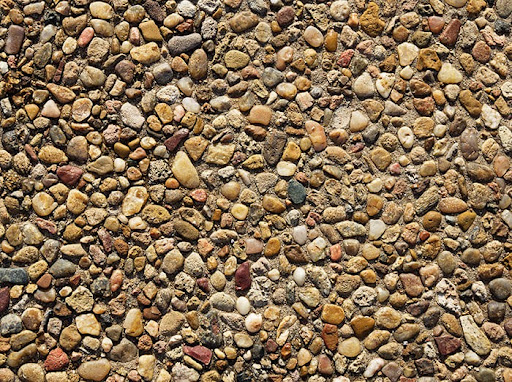
Exposed aggregate pool decks create a textured, visually appealing finish by revealing the stones or materials within a concrete surface. Follow these steps to understand the process and key considerations:
Enjoy your durable, budget-friendly pool deck with its eye-catching finish and practical benefits!
The method of lifting the top layer to expose the stones or rocks in a concrete surface, known as exposed aggregate, has long been a popular hardscaping technique, especially when it comes to pools and patios. Exposed aggregate pool decks reached the height of their popularity in the 1980s, when the textured, pebbly surface was preferred over more boring, plain concrete and tile deck styles.
While all concrete is a mix of water, cement, and some type of aggregate, the aggregate is normally a very small particle of rock or pebble that blends in with the concrete when poured. With exposed aggregate, the installer may intentionally add larger rocks or pebbles to the mix to get the desired effect. Other hard objects like glass beads, shells, and sea glass are also often used in this style of hardscaping.
Exposed aggregate pool decks were popular due to their beautiful appearance and interesting texture, but also their durability, easy maintenance, and budget-friendliness. This type of pool deck has to be resealed every so often to keep out dirt and water, and, as with all concrete surfaces, cracks are something to watch out for. With our simple steps detailing how to resurface a pool deck, you can achieve the new pool deck of your dreams affordably and easily.
While an exposed aggregate concrete pool deck may be a great feature to have at your home in the beginning, the longer this surface is exposed to foot traffic, weather changes, and other outdoor conditions, the more it will start to age. This aging is also exacerbated by the presence of chemicals in pool water that can interfere with the surface sealant. Exposed aggregate around a pool is only expected to last about 20-30 years before it needs to be refinished or repaired.
Over time, an improperly maintained exposed aggregate pool deck will start to pose comfort and safety concerns for families. If cracks in the surface go unfilled or are repaired shabbily, or if rocks or chunks of concrete are broken and become sharp, it can become an uncomfortable surface to walk on. The concrete around the rocks also deteriorates over time, leading many to complain that their exposed aggregate pool deck is too rough to walk on. Depending on the type of aggregate used, others report the opposite problem, where the concrete and rocks become worn down, resulting in a slippery surface.
Many homeowners today who have exposed aggregate concrete pool decks that were installed in the 1980s are noticing this kind of considerable wear and tear to the surface around their pools, bringing up the question of how best to resurface or repair the exposed aggregate. Sometimes a complete renovation will be required, while other times a simple application of a non-slip concrete paint or resurfacing exposed aggregate can help stretch the lifespan of the deck many times over.
When you’re looking to repair exposed aggregate pool deck surfaces, the extent of the wear and severity of the damage will determine what steps need to be taken. There are a few main types of exposed aggregate pool deck repair, and the best one for your pool deck will depend on your situation and budget.
One of the most common forms of exposed aggregate pool deck repair is to use a concrete sealer. It is recommended that homeowners reapply a sealant every few years to keep their exposed aggregate surface in top shape. While using an exposed aggregate pool deck sealer will help at first to improve the appearance of the surface, it’s not the best choice when your pool deck is aged, cracked, sharp on your feet, or otherwise damaged.
Sometimes, repairs come too late and an exposed aggregate pool deck will have to be broken up, hauled off, and replaced with a new pool deck material. But before it gets to that point, many people are turning to resurfacing products to give their deck new life. This way, you can seal up cracks with a dedicated concrete filler, then apply a layer of pool deck coating to protect the surface and increase its lifespan. Resurfacing exposed aggregate pool deck surfaces doesn’t have to be the last resort either; if you’re looking to rejuvenate the area around your pool with a new finish without breaking the bank, pool deck resurfacing is the perfect home improvement project that will make a big difference.
One of the most commonly asked questions when it comes to the best process to resurface pebble pool deck surfaces is whether or not the old pebble pool deck needs to be removed first. It absolutely doesn’t! This is the great thing about products that resurface pool decks — they can be applied over all kinds of surfaces and still leave a cool, non-slip finish. From old, exposed aggregate to stamped concrete to knockdown coatings to existing kool deck, you can save thousands of dollars in demolition and deck replacement costs by resurfacing instead of removing the old hardscape.
Before you begin the process of resurfacing a pebble pool deck, it’s important to thoroughly clean the surface. This will ensure that the new coating adheres properly and lasts as long as possible. Start by sweeping away any loose debris and then pressure washing the entire area. If there are any stubborn stains or discoloration, you may need to use a cleaning solution specifically designed for pool decks such as our Triple Crown concrete cleaner.
At Encore Coatings, we have engineered the perfect pool deck coating product for resurfacing exposed aggregate pool decks. Our COOL! Pool Deck Coating can be applied over concrete to bring it back to life with a modern look. A durable, easy-to-apply, easy-to-clean product, COOL! is trusted by thousands of pool owners who have used the one-of-a-kind pool deck coating to great success. It solves 3 major concerns – hot surface temperatures that burn your feet, sharp and uncomfortable contours, and provides a new, modern aesthetic.
Curious how it works? Every bucket of COOL! is meant to be mixed with a gallon of the outdoor paint of your choice. This allows for a completely customizable experience and color options that aren’t available with traditional sealants. With a guarantee that the coating will last as long as you own your home, you can’t go wrong with COOL! by Encore Coatings for your exposed aggregate concrete pool deck resurfacing needs. Have questions? Give us a call today!